
TTクラブは、世界中で使用されるコンテナの約80%を対象とする保険を提供し、世界上位100港の約55%の保険に関与しています。同クラブは、1968年にコンテナ輸送の陸上区間における相互責任保険の提供を目的として設立され、その後、物流事業者、港湾およびターミナルへと保険引き受けを拡大してきました。現在では1,500を超えるメンバー、世界26拠点のネットワーク、そして3億米ドルを超える準備金を有しています。両クラブの多くのスタッフは世界中ですでに日常業務において密接に連携しており、これまでにも幅広いプロジェクトで協働してきました。
今回の合併による恩恵と効果は、当クラブ管理者であるThomas Miller社の取得が含まれる可能性もあって、非常に顕著なもので、P&I保険料の約5%に相当するコスト削減が見込まれます。また、メンバーの皆様にとっては、より身近なサービス提供体制、より幅広くコスト効率に優れた運送保険、そして一層強固な財務基盤の恩恵を享受いただけます。2027年2月までに、当クラブは海上輸送分野における世界有数の相互保険クラブとなるという目標に向け、大きな一歩を踏み出すことになるでしょう。ご期待ください。
一方で、本年度の保険業績は2024年度と比べるとクレームコストは抑えられましたが、プールクレームに対する当クラブの負担額は引き続き大きなものとなりました。ともにインド沖で発生した2025年5月MSC Elsa 3の沈没事故や、6月Wan Hai 503の火災事故など、コンテナ船事故は依然として懸念されており、当クラブは業界関係者と連携しながら、さらなる損害防止対策の強化に取り組んでいます。国際グループ・プール協定はP&I保険システムにとって重要な強みであり、大規模クレーム費用を国際グループ各クラブが共同で効率的に管理することを可能にしています。本年度はプール負担額がやや減少し、当クラブが自己保有する1,000万米ドル以下のクレームにおける大型案件の減少により、コンバインドレシオは昨年の116%から105%へと改善しました。この比較的軽微な引受赤字は、9.4%の堅調な投資収益により十分に補われ、自由準備金が5億8,600万米ドルに増加しました。また、UK Fixed、用船者責任およびP&I相互保険以外の事業も、本年度の収支改善に大きく寄与しました。
自由準備金の大幅な増加により、当クラブは依然として国際グループの中で最も強固なクラブの一つとなっています。引き続きすべての規制要件を満たし、業界のベンチマークを上回る結果を出し続けており、英国のソルベンシー規制における自己資本比率は244%に達し、S&P資本モデルの信頼水準99.99%を上回っています。
強固な財務基盤と優れたサービスの提供を通じて、2026年度の契約更新も良好な結果となりました。大多数の既存メンバーの皆様には加入船舶の増加とともに保険契約を更新いただきました。この一年間、相互加入総トン数は600万トン以上増加し、1億6,800万トンに達しました。特にタンカーおよびコンテナ船の優良運航事業者の加入が増加し、被保険船隊の多様化がさらに進みました。既存メンバーからも2026年保険年度中の新規加入船舶について数多くのお約束をいただいております。用船者加入トン数も約1億1,000万トンと引き続き堅調に推移しました。
今後も引き続き、優れたサービスの提供を通じて、メンバーの皆様との長期的なパートナーシップの構築に注力してまいります。また、本年中にメンバーおよびブローカー向けのサーベイを改めて実施する予定です。2024年5月に実施したサーベイでは、サービスに対する全体満足度が99%と非常に高い結果が得られましたが、前回のサーベイで特定された分野において、一定の改善が図られているかを確認することを目的としています。具体的な改善施策としては、主要な取引分野や、代替燃料、制裁などの時事問題について、専門性の高い知見、業界におけるリーダーシップを発揮し、一貫した高品質なガイダンスを提供するための「centres of excellence」ウェブページの開設が含まれます。
これまで同様、当クラブの理事会およびメンバー委員会の理事として真摯に取り組んでくださった全てのメンバーの皆様に感謝申し上げます。今年度は、 TranspetroのTomás Arantes氏、 Norwegian Cruise LineのHoward Flanders氏、 AETのNick Potter氏が新たにメンバー委員に就任しました。メンバー委員会は引き続き理事会とメンバーの架け橋として役割を果たします。また、長年にわたり当クラブに多大な貢献をしていただいたENEOS Oceanの K. Fujiwara氏、 Gungen Maritime & Tradingの I. Gungen氏、 Safe Bulkersの P. Hajioannou氏、 Louis-Dreyfus Armateursの E. Louis-Dreyfus氏、 Transpetroの F. Mascarenhas氏、 Naftomar Shipping & Tradingの R. Zein氏が退任しました。
最後に、当クラブのスタッフに感謝の意を表します。度重なる困難な状況においても、彼らの専門的で献身的な姿勢により、メンバーやブローカー、その他関係者の皆様に、クラブに期待される最高水準のサービスを提供することができました。こうしたチーム全体の努力によって、UK P&Iクラブは今後もさらなる成長と進化、向上を遂げていくでしょう。
理事長 ヤン・バルキア
2026年5月20日
Our Board
The Directors have pleasure in presenting their Report and Financial Statements of the UK P&I Club for the year ended 20 February 2026.
The Club has been protecting our Members from third-party liabilities and related claims-handling expenses in the form of protection and indemnity (P&I) insurance and other marine covers for over 150 years. Control over the Club’s affairs rests with the Board of Directors, which met on five occasions during the year. The members of the Board are elected by the Members’ Committee, the membership of which is in turn elected by the Members of the Club.
Structure
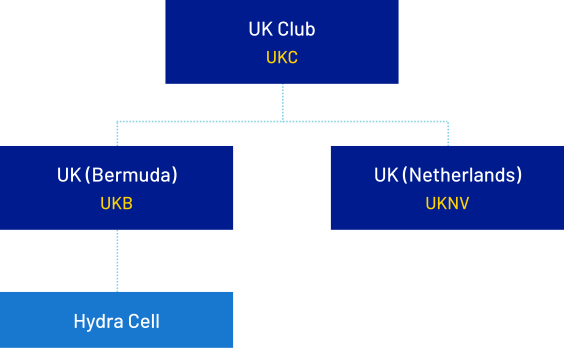
The principal activity of the Club during the year was the insurance and reinsurance of the marine protection and indemnity risks on behalf of our Members. The Club has the following active corporate structure
保険引受
当クラブは、保険金とこれに付随する諸費用をカバーするために十分な保険料収入によって、中期的に保険引受の均衡を保つことを目指しています。
近年、保険料率は以前の軟調な市場サイクルを経て回復しており、2026年契約更新においても、この勢いは引き続き維持されています。
直近の契約更新における相互保険料の増加は、当クラブの長期財務計画に沿った結果であり、当クラブは引き続きリスク選好を改善し、P&I相互保険と固定保険料契約のポートフォリオ構成を改善するために適切な措置を講じてまいります。
今年度のコンバインド・レシオは105%となり、当クラブの目標レンジの上限水準にあります。
当クラブの自己保有リスクに関わる事業は、数年にわたるポートフォリオ是正の成果により、昨年に引き続き改善し、クラブ業績に大きく貢献しています。
当クラブは、不採算の事業を取り除きつつも、相互保険加入総トン数が前年比4.3%増加し、690万トンとなりました。また、既存メンバーの皆様に今保険年度中に船舶を新規加入していただくなど力強いご支援を賜っています。
当クラブはポートフォリオのボラティリティを回避し、資本を効率よく管理するために適切な再保険を手当てしてまいります。
クレーム
21世紀におけるP&Iクレームは依然としてボラティリティを示しています。2025保険年度では、ボラティリティの好影響を受け、自己保有クレームおよび相互保険以外のクレームについて、予想を大きく上回る良好な実績となりました。
全種類のクレーム費用が減少し、貨物および傷害クレームは前年の約30%にとどまりました。50万米ドル超の大型クレームは、2024保険年度の50%を下回り、過去10年以上で最も低いものでした。さらに注目すべき点として、50万米ドル未満の少額クレームは、ほぼ同水準のトン数増加があったにもかかわらず、10%以上減少しました。
一つの例外を除き、2025保険年度を過年度と区別するような特定の傾向や新たなリスクは確認されませんでした。その例外は化学貨物の汚染[HZ1] に関するクレームの増加であり、多くの場合、貨物積替時のタンク洗浄不十分が原因でした。貨物汚染はサルベージ売却や汚染の疑いがある貨物の処理により、損失が軽減されるケースが多く見られますが、最初に高額クレームを引き起こすことが多いです。当クラブのSafety & Risk Management部門も、それを一つの課題として注視しています。発生した大型クレームは、通常の岸壁損傷、衝突事故、そして遺憾ながら回避可能であった疾病・傷害などが混在するものでした。
2025年度の経営戦略報告書で、大規模なコンテナ船火災事故が2件報告され、避難港の確保や火災廃棄物の処理といった課題について言及されました。2件のうち比較的小型のコンテナ船に関するクレームは2025会計年度にわたって進展し、クレーム費用は1億米ドルを超えましたが、用船者からの回収の見込みは高いとされています。この事故の解決直後、別の国際グループ加盟クラブの加入船においても同様の大規模火災が発生し、当該船舶は当クラブのクレームと同様で、同じ港に避難し、同程度の費用が発生しました。
これらの事故はすべて未申告危険物の運送に起因したものと考えられ、クラブの用船者メンバーに対する高額クレームが発生する可能性があります。この点を踏まえ、国際グループ加盟クラブは2026年より、未申告危険物の運送契約で求償権保持をメンバーの皆様に義務付けることとしました。これは、危険物である旨の通知がない場合、運送人が被った損失について補償を受けるべきとする国際条約や国内法の長年の原則を反映したものです。こうした背景のもと、MSC FLAMINIA事故に関する2025年2月の英国最高裁判決は、用船者が責任制限を主張できる範囲を拡大したものであり、船主にとっては残念な結果となりました。同判決は用船者の制限利益の公平性を高めたと評価される一方で、無過失の船主が回収不能な損失を被るリスクを高め、過失ある荷送人が責任を回避する可能性を助長するおそれもあります。
クラブの固定保険料保険事業は良好な業績を示しました。特に2件の大型クレームについては、関係船舶が比較的小型だったことから、責任制限が適用され、クレーム費用が軽減されました。心強いことに、近年一部の裁判所においてこの制度を支持する姿勢に対する懸念が散見される中、当クラブの過去のクレーム3件についても責任制限が適用され、円満に解決されました。これらのクレームでは、しばしば船舶の責任制限基金額を大きく上回る請求がなされていました。責任制限制度の現代における役割について疑問を呈する動きもあるかもしれません。しかしながら、当クラブおよび国際グループ全体にとって、この制度は予見可能で、かつカバーできるリスクを支える基盤であり、費用対効果の高い保険の提供を可能にする重要な柱であり続けています。
投資
2025年会計年度の連結投資ポートフォリオは総リターン9.4%を達成しました。経済および地政学的な不確実性が高まる環境下にあったにもかかわらず、堅調な実績となりました。ポートフォリオの全セグメントが業績に貢献し、その中でも株式配分が牽引役となり、24.1%のリターンを達成しました。債券投資についてもプラス寄与しており、社債と国債を合わせた保有資産は合計6.2%のリターンを確保しました。
株式市場には長期にわたるボラティリティの高い局面が見られたものの、世界の株式市場は年間を通じて回復力を示し、新たな最高値を更新しました。しかしながら、地政学的な不確実性や市場評価の過熱高騰から生じるリスクを軽減するため、当クラブはポートフォリオ運用において慎重な姿勢を維持しています
投資戦略は、ポートフォリオが引き続きクラブの財務目標を支えることを目的として策定されています。全体として、クラブの投資ポートフォリオにおける資産配分は、そのリスク許容度、資本と規制上の制約、予想される負債、格付要件と整合性を取ることができています。

当クラブの資本は、引き続きS&P 資本モデルに基づく信頼水準(confidence level) 99.99%を継続的に上回っています。
資本
当クラブは5億8,600万米ドルの自由準備金を備えた強力な資本基盤を維持しています。当クラブは、過剰な金額を留保することなく、メンバーに第一級の保証を提供するのに十分な資本を保有することを目指しています。そのため、当クラブの主な目標は、S&Pの財務力評価を「A」ランクに維持し、すべての管轄区域で規制要件を満たすのに十分な資本を保持することです。当クラブの資本は、引き続きS&P資本モデルに基づく信頼水準(confidence level) 99.99%を継続的に上回っています。S&Pの信用格付けは直近2025年11月に「A-/Stable」が確認されました。
当クラブの主要な資本要件は、ソルベンシーUKに基づくソルベンシー資本要件(SCR: Solvency Capital Requirement)です。当クラブのSCRは、定められた計算式を適用する標準的フォーミュラを用いるのではなく、当クラブのリスクを適切に反映し、過剰なメンバー資本を保持する必要のないよう、クラブ独自で開発し当局の承認を得た内部モデルを使用しています。
当クラブの規制資本の範囲は、主要なリスクカテゴリに分類されたSCRを示す下記のグラフに示されています。詳細は、当クラブのホームページで公開されている「ソルベンシー・アンド・フィナンシャル・コンディション・レポート(SFCR)」をご覧ください。