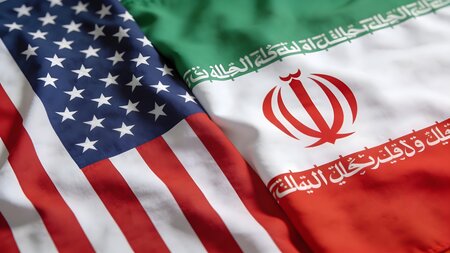
Iran is a heavily sanctioned jurisdiction with significant implications for the maritime industry. A range of sanctions imposed by the United States, European Union, United Kingdom and other jurisdictions target the Iranian government, individuals, entities and sectors of the economy, particularly in connection with Iran's nuclear programme, regional activities and support for designated organisations.
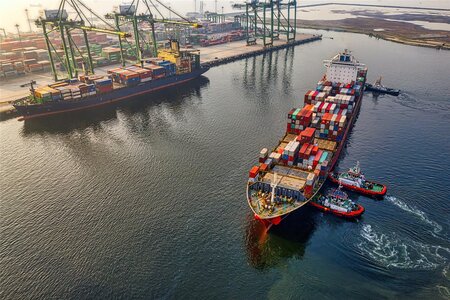
Particular attention should be paid to transactions involving Iranian petroleum, petroleum products and petrochemicals, as well as dealings involving designated persons, entities and vessels. Particular caution should also be exercised in relation to shipping networks, intermediaries and maritime service providers involved in or supporting the transportation, financing or facilitation of Iranian petroleum trade. Iran-related trade remains an area of significant sanctions risk, particularly for shipowners, operators, charterers, insurers and other maritime stakeholders.
Sanctions applicable to Iran are not uniform. Important differences may exist between US, UK and EU restrictions, and activities that may be permissible under one regime may nevertheless give rise to risks under another. Members should therefore carefully assess all potentially applicable sanctions regimes before undertaking Iran-related business.
Enhanced due diligence is recommended in relation to counterparties, cargoes, vessels, ports, payment arrangements and ownership structures. Particular caution should be exercised where there are indications of sanctions evasion practices, including ship-to-ship transfers, AIS manipulation, falsified documentation or complex ownership arrangements and any parties involved in the wider transportation or facilitation chain.
This summary is intended as a high-level overview only and does not constitute legal advice. Sanctions regimes change frequently and Members should seek up-to-date advice before undertaking any trade that may give rise to sanctions concerns.