
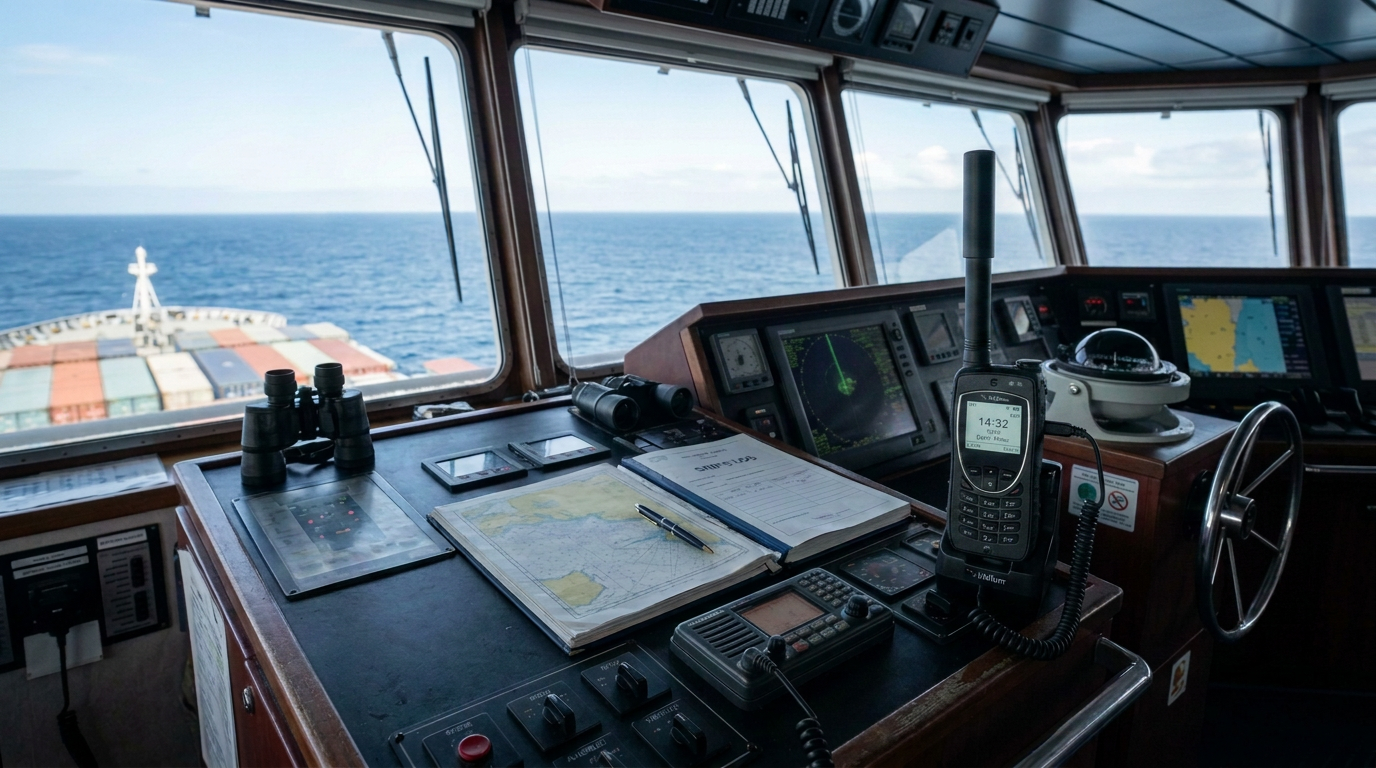

Vessel operators should exercise particular care when vessels enter, call at or transit through Indian waters. The carriage, use or incorrect declaration of prohibited satellite communication equipment may result in detention, fines and investigation by the Indian authorities.
The carriage of unauthorised satellite communication devices including Thuraya devices and personal satellite phones can lead to vessel detention, severe fines and official investigation under Indian regulations. Local correspondents confirm that these strict prohibitions apply throughout Indian waters, extending up to 200 nautical miles from the coast.
The relevant requirements are set out in Directorate General of Shipping (DGS), Mumbai, Order No. 02 of 2026, dated 11 March 2026. The Order addresses the use, declaration, authorisation and reporting of satellite communication equipment by vessels and seafarers in Indian coastal waters.
Background
DGS Order No. 02 of 2026 builds on earlier Indian requirements. Iridium-based satellite communication equipment is permitted only for distress and safety communications under the Global Maritime Distress and Safety System (GMDSS), subject to applicable conditions. Thuraya satellite equipment remains prohibited in Indian waters.
The Order also recognises limited exceptions. Vessels participating in the World Meteorological Organization (WMO) Voluntary Observing Ship (VOS) Scheme may transmit meteorological and safety-related data using approved Iridium GMDSS equipment. Automatic Weather Stations under Safety of Life at Sea Convention (SOLAS) Chapter V, Regulation 5, may also be permitted where they are standalone and non-portable, transmit only binary meteorological data and cannot be used for voice or personal communications.
Current concern for Members
The current matter highlights that enforcement action may arise not only from deliberate use of a prohibited device, but also from incomplete, inaccurate or ambiguous pre-arrival declarations. Masters are often aware of these restrictions; however, declaration errors involving Thuraya devices, Iridium satellite phones and the vessel’s INMARSAT equipment are commonly seen.
The Master and crew should therefore distinguish fixed, approved vessel communication equipment from portable or personal satellite devices. INMARSAT equipment forming part of approved arrangements may be treated differently from personal satellite phones or satellite-enabled messaging devices. Unclear declarations may invite scrutiny and delay clearance.
Compliance checklist before entering Indian waters
Before calling at Indian ports or transiting Indian waters, vessel operators should ensure that satellite communication equipment is reviewed, declared and controlled as follows:
- Conduct a full inventory of all satellite communication equipment on board, including fixed systems, portable vessel equipment and crew personal devices.
- Confirm whether each item is permitted, prohibited or subject to declaration, custody or non-use requirements.
- Treat Thuraya devices and personal satellite phones as prohibited in Indian waters.
- Ensure Iridium-based equipment is used only for permitted GMDSS distress and safety functions.
- Accurately declare portable satellite equipment in the Pre-Arrival Notification of Security (PANS), including make, model and International Mobile Equipment Identity (IMEI) number/Electronic Serial Numbers (ESNs).
- Distinguish approved fixed equipment, such as Recognised Mobile Satellite Service (RMSS) or INMARSAT equipment, from portable or personal satellite devices.
- Brief the Master, officers and crew that prohibited devices must not be used in Indian waters or taken into Indian land territory.
- Secure any restricted personal satellite equipment under the Master’s custody before arrival and make it available for sealing or inspection if required.
- Seek guidance from local agents, correspondents or the Club if there is uncertainty before submitting or amending declarations.
Enforcement risk and Club recommendations
Non-compliance may result in infringement notices, detention, fines and penal action under Indian law, including the Indian Telecommunications Act, 2023 and the Merchant Shipping Act, 2025.
Vessel operators should review pre-arrival procedures, port-call checklists and crew instructions to ensure prohibited devices are identified, declared where required and secured before arrival. If there is any uncertainty, the Master should consult local agents, correspondents or the Club before submitting or amending declarations.
Summary
The Master should identify, declare where required and secure restricted satellite communication equipment before entering Indian waters.
- Thuraya devices and personal satellite phones are prohibited in Indian waters extending up to 200 nautical miles from the coast.
- Portable satellite equipment must be accurately declared in the PANS where required.
- Restricted devices should be secured under the Master’s custody before arrival.
Related news
-

アンモニア - 代替燃料流出への対応上の留意点
28/07/2026
-
米国によるイラン産石油取引の猶予期間について ― 最新動向と主な影響
16/07/2026
-

メタノール - 代替燃料流出への対応上の留意点
23/07/2026
-

LNG-代替燃料流出への対応上の留意点
15/07/2026