

Whether you’re steering a sailboat or commanding a colossal cruise ship, the International Regulations for Prevention of Collisions at Sea (more aptly called COLREGs) are the maritime rulebook. Every crewmember on board must be intimately familiar with them. Accordingly, vessel owners should deep dive into those regulations regularly.
The rules of the road
The COLREGS are not optional. In fact, long ago, the Supreme Court determined that a violation of the COLREGs would lead to a presumption of fault on the offending ship. See The Pennsylvania, 86 U.S. 125 (1873). Under this doctrine, a vessel that breaches a navigational rule bears the burden of proving that the violation could not have contributed to the casualty. This is an extremely high evidentiary burden and often results in liability being apportioned against the non-compliant vessel. Nevertheless, nearly all collisions and allisions can be attributed to a lapse in following these rules.
The rules dictate the use of steering, sailing, lights, and sound mandated to prevent collisions. The 38 rules are divided into five parts, with special rules for inland operation. Local governments can implement their own water regulations, but those rules must align as closely as possible with the COLREGs and generally are superseded by COLREGs when in conflict.
The overriding theme is prudent seamanship. Indeed, Rule 1 explains that the rules themselves will not exonerate a vessel if the crew was acting foolishly. In other words, if complying with the rules would cause a collision, then a mariner should take appropriate action to avoid impact.
These principles are deceptively simple, but their proper application requires constant vigilance and professional judgment.
Lookout!
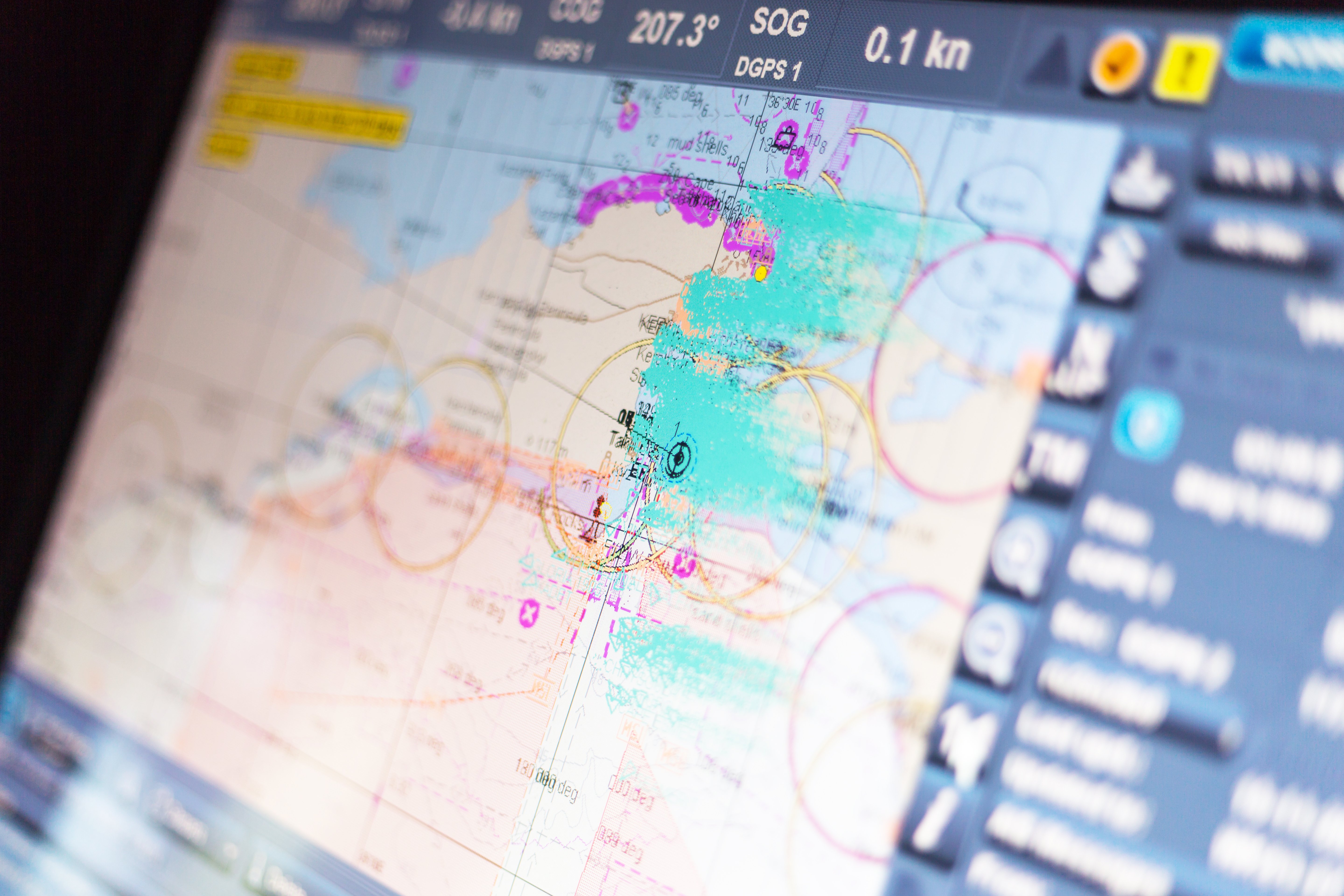
Technological advances such as AIS, electronic charts, and integrated bridge systems have improved situational awareness, but they have not replaced the fundamental requirement that mariners understand and correctly apply the COLREGs.
The ‘Golden Rule’ requires maintaining a proper lookout by sight, sound, and all available means. In a real-life cautionary tale, the collision between the U.S. Navy destroyer USS Fitzgerald and a containership off the coast of Japan resulted in the loss of seven sailors and significant property damage. Investigations identified multiple breakdowns in watchstanding and situational awareness on the part of the warship, including failures related to maintaining a proper lookout and identifying collision risk in sufficient time to act. The casualty highlights the universal importance of COLREGs compliance for all bridge teams. Effective use of radar, AIS, and visual observation to detect and respond to developing risk remains essential.
Visibility often plays a key role in casualties. In U.S. waters, the allision of a containership with the San Francisco–Oakland Bay Bridge is often cited as a reminder of how environmental conditions can interact with navigational decision-making. Operating in dense fog, the vessel struck a bridge tower, causing a major oil spill in San Francisco Bay. Investigators identified lapses in situational awareness and navigation management, including ineffective use of electronic navigation systems.
The concept of stand-on and give-way vessels is also central to collision avoidance. When two vessels meet, the give-way vessel must act to steer clear while the stand-on vessel keeps a steady course and speed, allowing the give-way vessel to safely maneuver. But this is not set in stone: if the give-way vessel fails to act, the stand-on vessel must take evasive action. Should a collision become imminent, the stand-on vessel must intervene decisively. Crucially, both vessels are responsible for maintaining good seamanship and situational awareness.
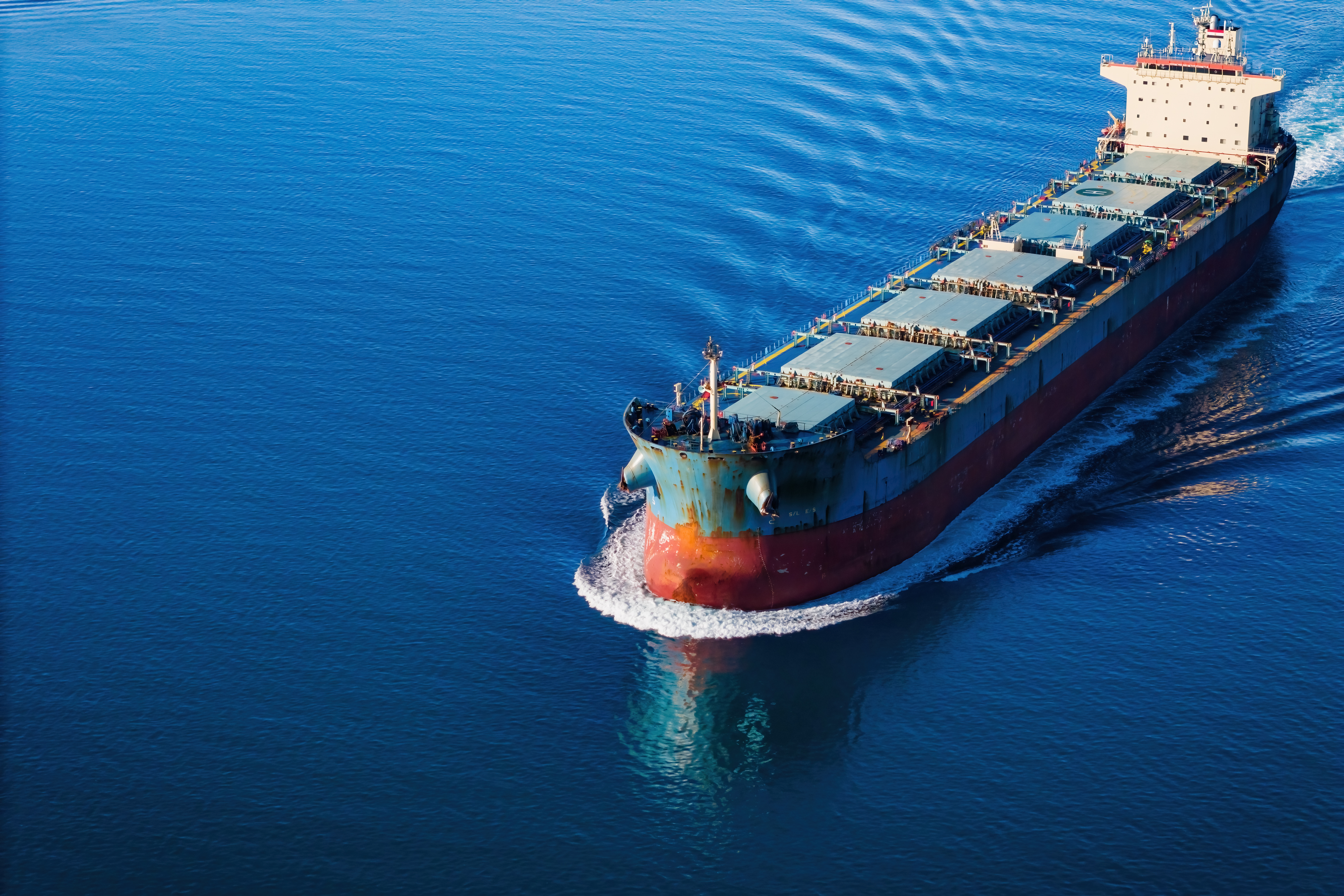
The collision between bulk carriers off the coast of Greece underscores critical lessons for both stand‑on and give‑way vessels. In that incident, one carrier reportedly failed to maintain a proper lookout, misidentified the situation as a crossing encounter, and wrongly assumed stand‑on rights. She then compounded the error by altering to port, a maneuver that violated collision avoidance principles and led the court to find her primarily at fault. A subsequent investigation also revealed that the watchman on the ship was likely distracted by his phone at the time of the incident, in defiance of company policy. Still, there is rarely, if ever, a sole fault collision. Indeed, the other vessel, although correctly recognizing the vessel interaction as a head‑on risk requiring a starboard alteration, acted too late, breaching the COLREGs requirement to take early and substantial action to avoid collision.
Operational considerations
Given the continuing role of COLREGs failures in marine incidents, shipowners should ensure that their vessels maintain strong navigational discipline. Practical measures include:
- Reinforcing COLREGs training during bridge resource management courses
- Conducting regular bridge team drills addressing collision avoidance scenarios
- Ensuring officers maintain competency in radar plotting
- Establishing clear bridge procedures for restricted visibility operations
- Encouraging early and decisive maneuvering in developing close-quarters situations
- Maintaining strict restrictions on cell phone use while on watch.
Importantly, electronic navigation tools should support but not replace traditional watchkeeping practices. Mariners must continue to rely on a combination of visual observation, radar assessment, and professional judgment.
Conclusion
Despite their old age, the COLREGs remain as relevant today as when they were first adopted. Most collision cases still involve failures in the basic principles of lookout, situational awareness, and timely maneuvering. Ultimately, while technology continues to evolve, the fundamentals of safe navigation remain unchanged: maintain a proper lookout, assess risk early, and take decisive action before a close-quarters situation develops.
Related news
-
S-100 and the Next Evolution of ECDIS
06/10/2026
-
-

-

Pre-load Steel Surveys
08/09/2026