

When large ocean-going vessels enter or leave port, a marine pilot boards the vessel because the bridge team is generally unfamiliar with the local waters. While the Master retains overall responsibility for the safe navigation of the vessel, the pilot provides local navigational guidance and advice. In many cases, the pilot directs the manoeuvring of the vessel, working closely with the Master and bridge team to ensure the vessel’s safe passage through confined or congested waters.
The waters in which pilots operate are typically confined areas such as bays and harbours, often containing navigational hazards and dense traffic involving vessels of all sizes, including fishing boats. In recent years, the increasing size of vessels, including greater length, beam and draught, together with the associated limitations in manoeuvrability, has significantly increased the difficulty of ship handling.
Despite these changes in the maritime environment, pilots continue to contribute to the safe operation of vessels by applying their extensive maritime experience and expertise in ship handling. Nevertheless, accidents occurring under pilotage continue to occur.
While casualty investigations may identify errors in pilot judgement, but the wider claims experience presents a more nuanced picture. Accidents under pilotage seldom arise from the actions of one individual; rather, they tend to develop when an initial error or unsafe assumption is not recognised and addressed by the bridge team.
This broader pattern is reflected in the International Group of P&I Clubs’ review of pilotage-related incidents between 1999 and 2019. Its findings underline the importance of effective Master-Pilot Information Exchange (MPX) and Bridge Resource Management (BRM) in ensuring that the pilot and bridge team operate with a shared understanding and can identify and address developing risks before they escalate.
The continuing frequency and consequences of these incidents make it important to look beyond individual actions and consider how pilotage is supported across the bridge. Drawing on Japanese casualty investigations and wider international experience, this article examines the principal causes of accidents occurring under pilotage and identifies practical measures that pilots, masters and bridge teams can adopt to strengthen navigational safety.
1. Accidents Occurring While a Pilot Is on Board
Table 1 summarises the serious accidents involving vessels of 1,000 gross tons or more under pilotage in Japan that were reported and published between 2010 and 2026.
Note: The Japan Transport Safety Board (JTSB) publishes investigation reports only for accidents that occurred from 2008 onwards.
A total of 20 accidents were identified during this period. Table 1 provides a brief summary of each accident. The characteristics of accidents occurring while a pilot was on board are analysed based on these 20 cases.
1.1 Accidents by Vessel Type
Figure 1 shows the distribution of accidents by vessel type involving vessels with pilots on board.
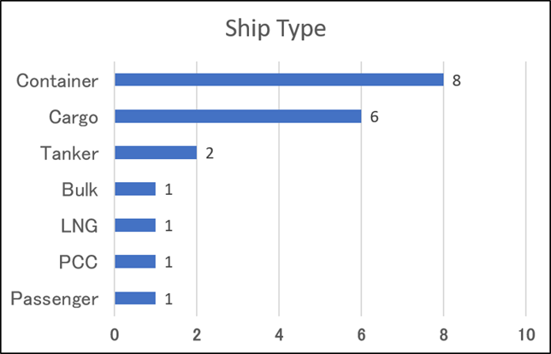
Figure 1. Number of Accidents by Vessel Type While a Pilot Was on Board
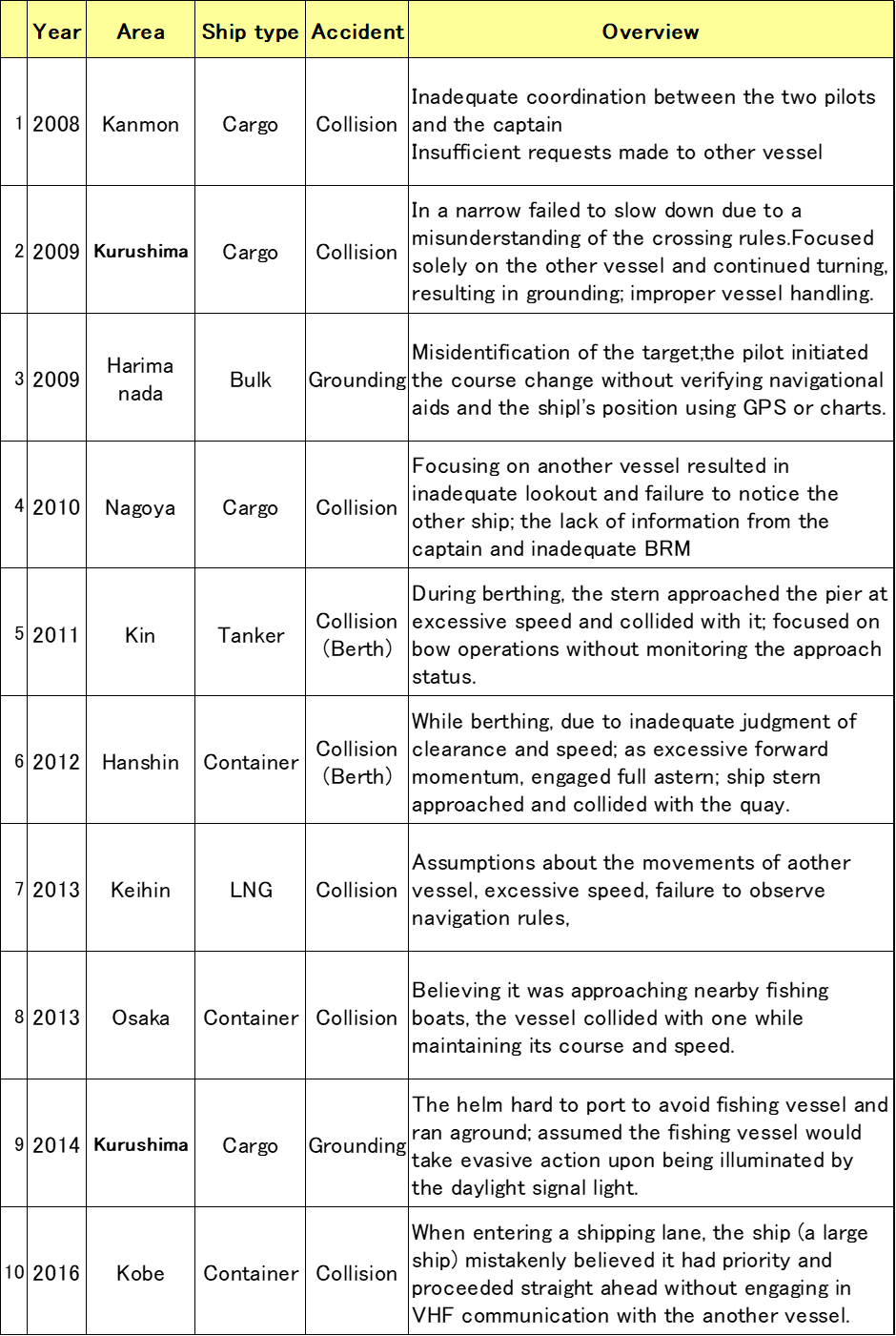

Table 1. Accidents Occurring While a Pilot Was on Board (Published 2010–2026, Vessels of 1,000 Gross Tons or More)
As shown in Figure 1, container vessel accidents accounted for the largest proportion, representing approximately 40% of all cases.
One reason for this is the large number of container vessel calls at Japanese ports.
Table 2 shows the number of foreign-going vessels calling at Japan’s five major ports in 2025, including the number and percentage of full-container vessels.
As indicated in Table 2, container vessels account for a very large proportion of vessel calls. Across the five major ports combined, container vessels represented approximately 60% of all foreign-going vessel arrivals.

Table 2. Number of Foreign-Going Vessel Calls at Japan’s Five Major Ports (2025)
Another factor contributing to the high number of container vessel accidents may be the increase in pilotage services required for larger container vessels in recent years.
Furthermore, larger vessels are more susceptible to manoeuvrability limitations and are more heavily influenced by port conditions such as berth configurations, channel widths, winds and currents. These factors are also considered contributors to accident occurrence.
Accidents involving other vessel types are also significant. In particular, accidents involving tankers and LNG carriers carrying dangerous cargoes require special attention because they can lead to secondary disasters such as fires and oil spills, as well as prolonged berth closures that may seriously disrupt port operations.
1.2 Types of Accidents
Figure 2 presents a breakdown of accidents by type.
Collisions between two vessels were the most common type of accident.
Collisions with port facilities, navigational structures or other objects, as well as groundings, were also recorded.
These accidents frequently involve human factors affecting the pilot, bridge team or both. However, evidence from international casualty investigations and P&I claims analyses suggest that such events rarely result from a single failure. Rather, they often develop through a sequence of incorrect assumptions, misjudgements and missed opportunities for intervention that remain undetected or unchallenged by the bridge team.
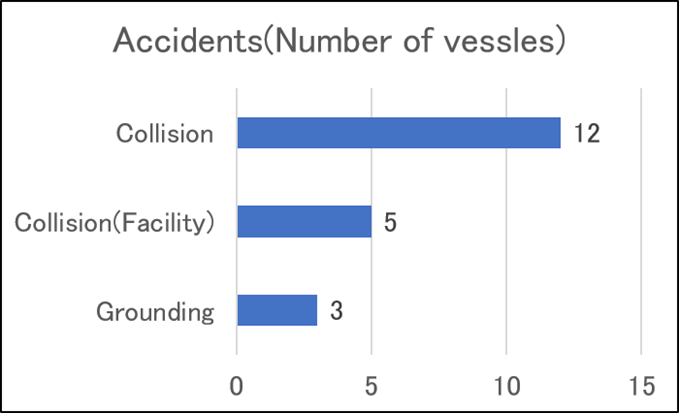
Figure 2. Types of Accidents Occurring While a Pilot Was on Board (2010–2026)
1.3 Causes of Accidents
Figure 3 shows the breakdown of accident causes (multiple causes may apply to one accident).
These causes can generally be classified into the following categories:
- Assumptions and preconceived notions
- Technical problems related to ship handling and navigation
- Weaknesses or deficiencies in BRM
The following sections focus on accidents in which assumptions/preconceived notions and BRM deficiencies played major roles.
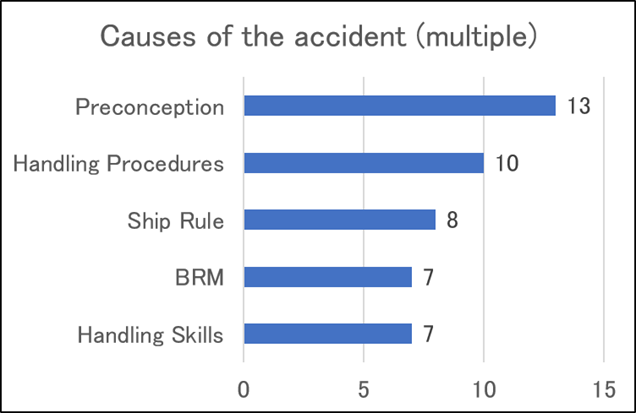
Figure 3. Causes of Accidents While a Pilot Was on Board (2010–2026)
The findings are broadly consistent with those identified in the International Group’s pilotage claims review. While pilot-related decision-making issues may be present, the report notes that casualties occurring under pilotage commonly involve shortcomings in bridge team monitoring, communication, challenge-and-response practices, situational awareness, and information exchange. Importantly, many incidents occur not because a pilot makes a misjudgement, but because that misjudgement is not detected, questioned, or corrected before it develops into an accident.
Effective BRM requires bridge team members to remain actively engaged throughout the pilotage and to intervene when concerns arise. A useful framework is the PACE model, whereby concerns are escalated progressively through Probe, Alert, Challenge and Emergency interventions. For example, an officer who observes the vessel standing into danger may initially probe by seeking clarification of the pilot’s intentions, alert the pilot to the developing risk, challenge the intended action if concerns remain and ultimately take emergency action if there is an immediate threat to the safety of the vessel. The model provides a structured means of questioning, raising concerns and, if necessary, intervening when safety may be compromised. Used appropriately, PACE supports constructive communication between the pilot and bridge team, and reinforces the principle that safe pilotage is a shared responsibility, with intervention intended to support safe decision-making rather than undermine the pilot’s authority or expertise.
1) Assumptions and Preconceived Notions
Accidents caused by pilots’ assumptions or preconceived ideas were the most common category.
In these cases, a pilot’s incorrect judgement or instruction directly contributed to the accident. Additionally, for various reasons, the bridge team often failed to recognise the error, allowing operations to continue until an accident occurred.
Figure 4 illustrates specific examples.
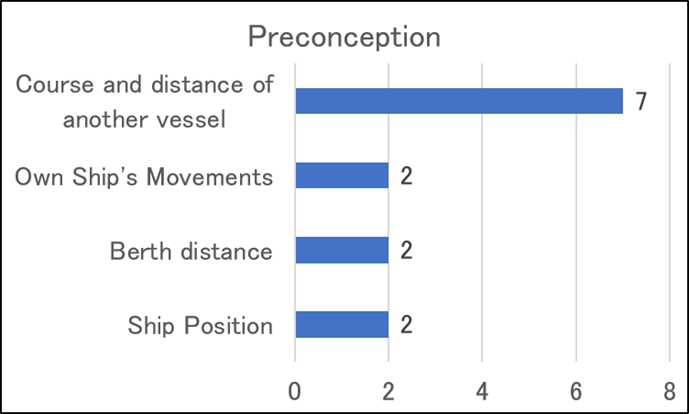
Figure 4. Examples of Preconceptions as Accident Causes (2010–2026)
The most frequent examples relate to the movements of other vessels.
Many accidents occurred because pilots made judgements about another vessel’s actions based on assumptions that did not match reality.
Other examples include incorrect assessments of the vessel’s own movements, the distance from the berth and the vessel’s position, all of which concern the basic fundamentals of seamanship and navigation.
Such accidents often originate from relatively minor misjudgements, incorrect assumptions or other human factors affecting pilot decision-making. However, they become accidents when those errors are not detected and challenged by others on the bridge. Modern safety and BRM principles recognise that human performance is inherently fallible. The objective is therefore not to eliminate error entirely, but to establish effective barriers capable of detecting and correcting developing mistakes before they result in a casualty.
Effective BRM enable developing errors to be identified, challenged and corrected before they escalate into accidents.
Accident Case Study: Assumption-Based Error
While Vessel A was proceeding northbound, Pilot C observed that Vessel B might encounter Vessel A within the channel and requested, through a tugboat, that Vessel B increase speed.
Although Vessel B responded to the request and accelerated despite being almost fully loaded, it subsequently maintained approximately the same speed.
However, Pilot C assumed that Vessel B would accelerate further and pass ahead of Vessel A.
As a result, Vessel A continued increasing speed without taking action to avoid Vessel B’s route and ultimately collided with Vessel B.
The failure of Master D of Vessel A to exercise appropriate navigational command may have been attributable not only to the lack of adequate information and advice from the pilot but also to insufficient information sharing and coordination on the bridge. In other words, BRM was not implemented effectively.
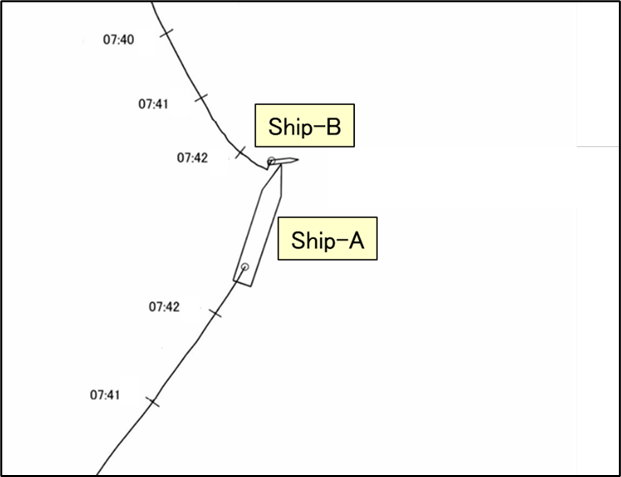
Figure 5. Accident Caused by an Incorrect Assumption
2) BRM Deficiencies
A considerable number of accidents occurring while a pilot was on board have been attributed to deficiencies in BRM, either because BRM failed to function properly or because it was inadequately implemented.
Table 3 summarises cases identified by the Japan Transport Safety Board in which BRM deficiencies were considered a contributing factor.
Table 3 illustrates the types of bridge team actions and omissions that were treated as BRM deficiencies in the accident investigations.

Table 3. Examples of BRM Deficiencies Identified in Accidents (2010–2026)
Figure 6 provides a simplified categorisation and summary of the findings presented in Table 3.
Of the items shown in Figure 6, the common underlying factor in the categories of ‘Information Sharing’, ‘Teamwork’ and ‘Lack of Understanding of the Pilot’s Intentions’, excluding ‘Insufficient Training’, is communication within the bridge team.
Communication between the pilot and bridge team has become increasingly important as vessel size, traffic density and manoeuvring complexity have increased. The International Chamber of Shipping’s Pilotage, Towage and Mooring Survey identified communication difficulties between pilots and bridge teams as a commonly reported concern worldwide. The survey also highlighted the potential benefit of a more standardised MPX, supported by passage plans and visual information rather than relying solely on verbal exchanges.
Through effective communication and shared situational awareness, pilots and bridge teams develop a common understanding of the vessel’s position, intentions, constraints and future manoeuvres, thereby strengthening navigational safety.
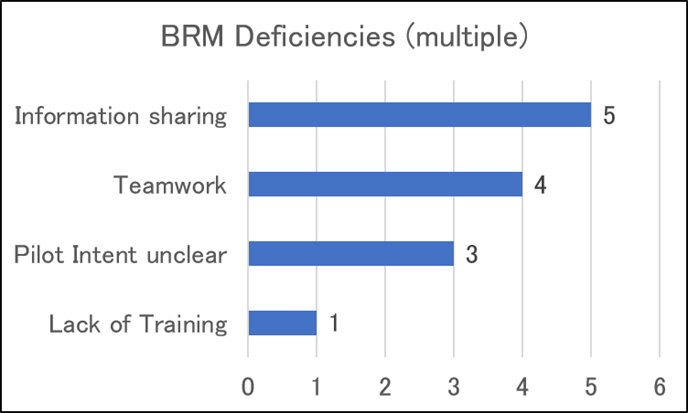
Figure 6. Examples of BRM Deficiencies as Accident Causes (2010–2026)
Accident Case Study: BRM Deficiency
While navigating at night, Vessel A overtook Vessel B travelling in the same direction and then intended to alter course to starboard.
Pilot A mistakenly identified the light of buoy N, which had been selected as the course-alteration reference point, as the light of another buoy, M, and altered course accordingly.
As a result, the vessel grounded on a shoal.
One reason Pilot A failed to recognise the mistake was that, although he checked the relationship between the buoy and the vessel using radar and visual observation before altering course, he did not verify the navigational mark or vessel position using GPS or charts.
Another contributing factor was that the crew did not question the pilot’s actions. Furthermore, Pilot A appears to have been strongly focused on the belief that the vessel must turn to starboard after overtaking Vessel B and consequently concentrated attention on Vessel B’s movements.
This case demonstrates the importance of pilots explaining detailed pilotage plans to crew members in advance and ensuring sufficient information sharing, so that crew members can appropriately challenge or advise the pilot if incorrect manoeuvres or instructions occur.
It is also important for pilots and bridge teams to maintain clear communication and mutual monitoring throughout the passage.
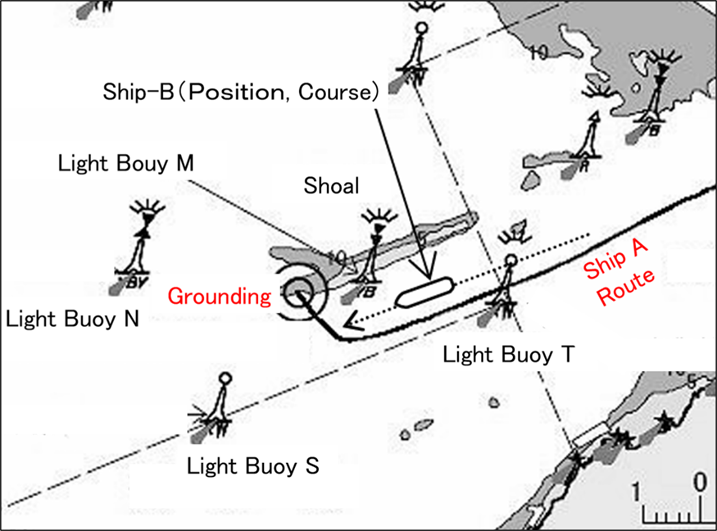
Figure 7. Accident Caused by BRM Deficiency
2. Lessons Learned
1) Key Issues
The analysis identifies recurring contributory factors in accidents occurring while a pilot is on board.
a) Human Factors Affecting Pilot Judgement and Situational Awareness
As discussed earlier (Figures 3 and 4), many accidents stem from incorrect assumptions, loss of situational awareness and ship-handling decisions that do not adequately reflect the prevailing circumstances.
These events are often associated with:
- Misjudgements in pilot decision-making
- Reduced situational awareness
- Inaccurate assessments of vessel movement or environmental conditions
- Ship-handling decisions based on incorrect assumptions.
Modern pilotage operations are conducted in increasingly demanding environments characterised by larger vessels, constrained waterways, higher traffic density and compressed operational margins. Pilots are required to process large volumes of information while making rapid decisions under significant time pressure.
Under such conditions, safe navigation cannot depend solely upon the performance of a single individual. Continuous support from the bridge team through monitoring, information sharing, cross-checking and constructive challenge has become an essential component of safe pilotage.
b) BRM Deficiencies Between the Pilot and the Bridge Team
As shown earlier (Figures 3 and 6, and Table 3), deficiencies in BRM are a major contributing factor in accidents occurring while a pilot is on board.
As discussed above, safe vessel operation today cannot be achieved without support from the bridge team. The concept designed to address this challenge is BRM.
In other words, BRM is a management philosophy that promotes safe navigation through effective information sharing, communication and teamwork among bridge personnel, and it forms the cornerstone of the measures required to address the issues identified in this analysis.
c) The Importance of an Effective Master-Pilot Information Exchange (MPX)
An effective MPX provides the foundation for safe pilotage operations and remains one of the most important safeguards against pilotage-related accidents. Before commencing the pilotage, the pilot and bridge team should develop a shared understanding of the intended passage plan, anticipated manoeuvres, tug requirements, environmental conditions, constraints and contingency arrangements.
The International Group pilotage claims study identified the MPX as one of the most important defences against pilotage-related casualties. Equally important is the bridge team’s continued involvement throughout the pilotage. The exchange of information should not end once the vessel is underway. Continuous communication, monitoring and mutual verification are essential to maintaining situational awareness and preventing misunderstanding.
An effective MPX should encourage bridge team participation, promote constructive challenge when uncertainty exists and establish a bridge culture in which concerns can be raised without hesitation. A common understanding of the pilotage plan also provides the bridge team with a clearer basis for recognising deviations, raising concerns and supporting safe intervention where necessary.
2) Measures for Improvement
A common principle underpins all measures aimed at reducing pilotage-related accidents.
As has long been recognised, vessel operations should be supported by clear communication and reliable information sharing between the pilot and the bridge team.
Pilots and bridge teams must continuously share their understanding of the navigational situation and complement one another’s capabilities. The pilot’s local knowledge and ship-handling expertise are most effective when combined with the vessel-specific knowledge, operational awareness and oversight provided by the Master and bridge team. Safe pilotage depends not only on the pilot’s actions, but also on the ability of the entire bridge team to function as a cohesive unit.
They must also raise concerns, ask questions or provide advice promptly whenever necessary.
Such actions collectively constitute BRM, a concept that is already well established in Japan.
Since its introduction in Japan during the 1990s, BRM has been regarded by shipping companies, maritime educational institutions and pilot organisations as one of the most important concepts for accident prevention. Extensive training and onboard implementation have been carried out.
However, as demonstrated by the accidents discussed in this paper, the continuing occurrence of accidents suggests that insufficient understanding of BRM concepts and inadequate practical training may still exist.
Possible reasons include:
a) Insufficient Understanding of BRM Among Pilots and Crew
In some cases, pilots and crew members may not fully understand the practical application and effectiveness of BRM, with the result that the principles of communication, monitoring and constructive challenge are not consistently applied on board.
b) Inadequate Training Content
Although the STCW Convention and Code establish competency requirements relating to BRM, the detailed content and delivery of training programmes are largely determined by individual organisations.
As a result, depending on the quality of the training programmes and instructors, practical and effective education may not always be adequately delivered.
Conclusion
The analysis demonstrates that accidents occurring under pilotage rarely result from the actions of a single individual. While pilot judgement, situational awareness and ship-handling decisions remain important factors, the evidence clearly shows that the underlying causes of many casualties are rooted in broader human factors, ineffective communication and shortcomings in BRM.
As vessels continue to increase in size and port approaches become more congested, safe navigation can no longer rely solely on the expertise of an individual pilot. Successful pilotage requires an integrated bridge team in which pilots, masters and officers maintain a shared understanding of the vessel’s position, intentions and risks throughout the passage.
An effective MPX, continuous challenge-and-response practices and active bridge team participation provide essential safeguards against navigational error. When supported by robust BRM training and a strong safety culture, these measures create multiple opportunities to identify, question and correct developing hazards before they result in a casualty.
Ultimately, safe pilotage is a collective responsibility. The pilot’s local knowledge and ship-handling expertise are most effective when combined with the experience, oversight and support provided by the Master and bridge team. Ensuring that these resources operate as a single integrated bridge team remains one of the most effective safeguards against pilotage-related casualties.
References
Marine Accident Investigation Reports, Japan Transport Safety Board (JTSB)
Bridge Team Management, BTM Research Society, Seizando Publishing Co., Ltd.
International Group of P&I Clubs, Report on P&I Claims Involving Vessels Under Pilotage 1999–2019
Related news
-
S-100 and the Next Evolution of ECDIS
06/10/2026
-
-
-
Pre-load Steel Surveys
08/09/2026